Proposed Sale of World Cup Stakes

Proposed Sale of World Cup Stakes
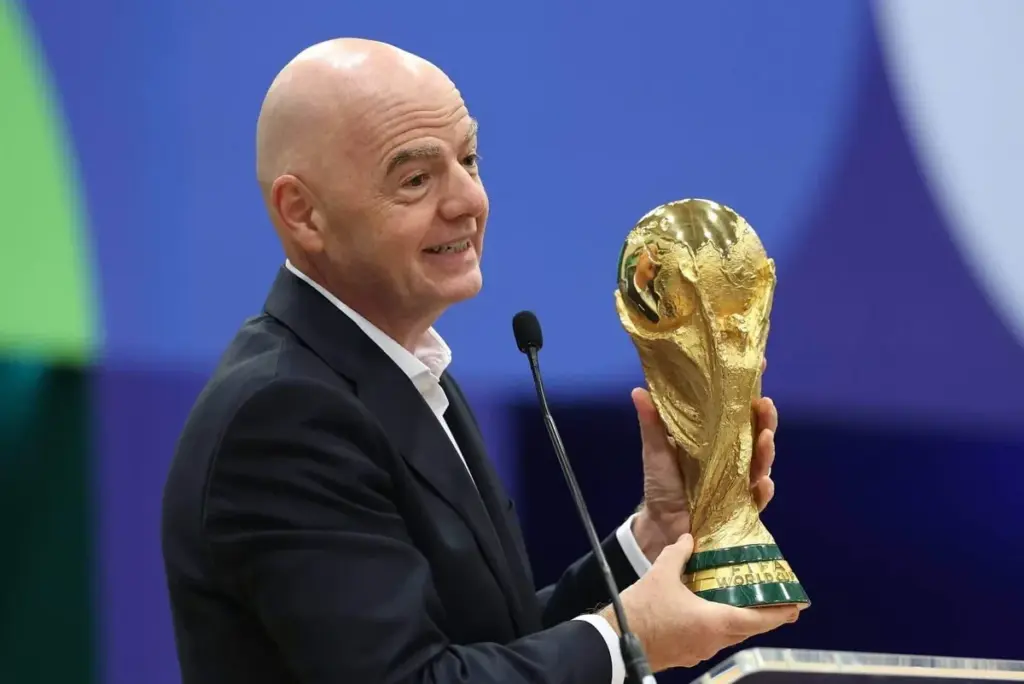
FIFA has announced plans to sell stakes in its football competitions, including the World Cup, to private investors. This proposal aims to create a subsidiary, the FIFA Forward Enterprise (FFE), to manage commercial operations for these events. The global governing body intends to retain a majority share in the FFE while selling minority stakes to external investors to raise up to $4.2 billion. This initiative is designed to generate revenue for global football development, with a portion of the funds earmarked for member associations.
According to FIFA President Gianni Infantino, the plan is a step towards the “democratisation of football,” promising funding to all FIFA member countries to “develop the game” once the deal is finalised. This funding would be available from January 1, 2027, if the proposal is approved. The plan also includes regular Forward Programme grants, increasing per nation in the next four-year cycle, potentially rising by 2035-38.
Investor Involvement and Political Connections
The proposed investor group is expected to be led by Thrive Eternal, a United States venture capital firm founded by Joshua Kushner. Kushner is the brother of Jared Kushner, who is the son-in-law of US President Donald Trump. FIFA has also confirmed that JP Morgan is advising on the project, with Greg Maffei, former president of Formula 1 owner Liberty Media and a donor to Trump’s political campaigns, acting as a “key commercial advisor.”
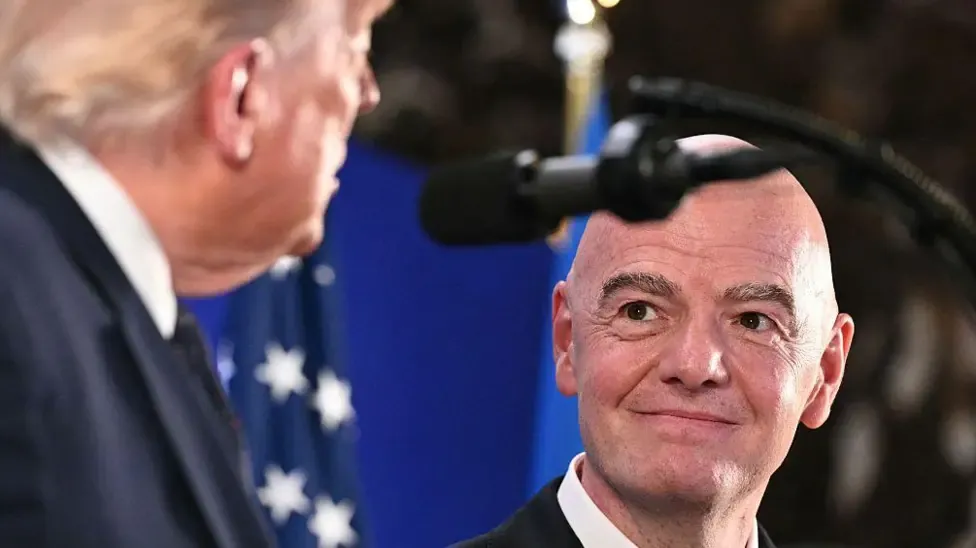
Infantino’s close relationship with Trump has been highlighted, with instances such as the creation of a Peace Prize awarded to Trump, the opening of a FIFA office in Trump Tower, and the placement of the Club World Cup trophy in the Oval Office. Critics suggest that working with Trump associates on this plan allows Infantino to leverage this bond for a mutually beneficial outcome. The involvement of individuals with connections to President Trump has raised concerns within the global football community.
Reactions and Potential Boycott Threats
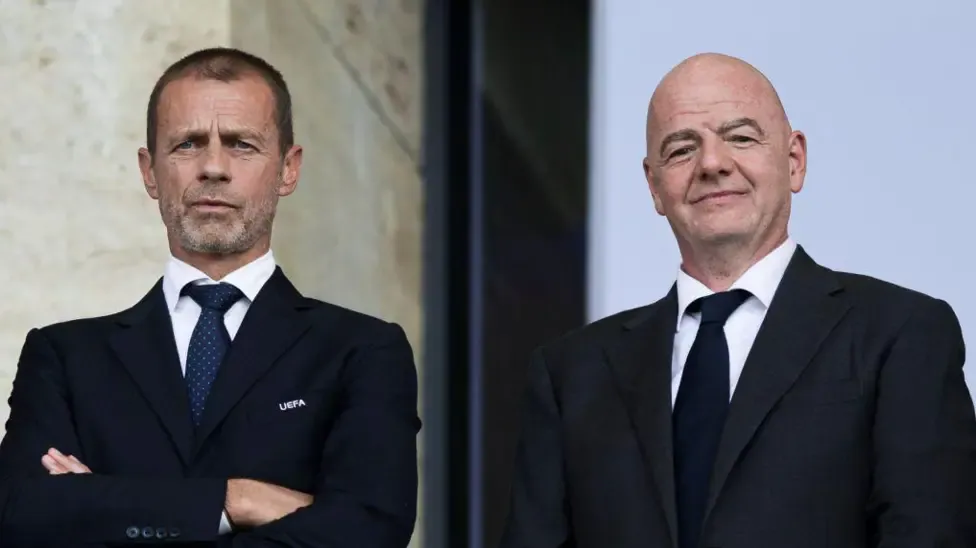
The proposal has met with significant criticism from various football bodies and political figures. UEFA, European football’s governing body, has strongly opposed the plan, stating that it “crosses a line that football’s governing institutions should never cross.” UEFA President Aleksander Ceferin previously boycotted the World Cup final in protest against FIFA’s decision to overturn USA striker Folarin Balogun’s suspension following an intervention from Trump. UEFA members are reportedly angry about the plan and are set to discuss a response, with some reports indicating a possible boycott of the World Cup by European nations.
The Confederation of North, Central America and Caribbean Association Football (CONCACAF) expressed deep concern over the lack of due process, stating they were only informed of the matter through media reports. The Asian Football Confederation also voiced disappointment regarding the lack of consultation. UK Prime Minister Andy Burnham criticised the proposal, asserting that “Football does not belong to investors. It belongs to the people who fill the stands.” He added that the World Cup is not a product to be sold. Miguel Maduro, a former chairman of FIFA’s governance committee, described the proposal as a “form of legalised bribe,” raising doubts about whether the money would reach the intended levels of football development.
Despite the backlash, Infantino appears to have substantial support from many countries in Africa, Asia, and the Americas, which have benefited from his policies, including the expansion of the World Cup to 48 teams and increased funding. FIFA votes require a simple majority, suggesting the plan is likely to proceed. A decision on the proposal must be made by September 19 for funds to be available from January 1.
The FIFA Forward Enterprise (FFE) would extend beyond traditional fundraising methods, akin to franchise models seen in other sports like the Indian Premier League (IPL). While FIFA aims to retain control, new investors would likely expect a voice in decision-making. The main criticisms of the World Cup 2026 included ticket pricing, which many felt excluded fans on median salaries, and the controversial introduction of hydration breaks, perceived by critics as commercial opportunities rather than player welfare initiatives.
The ongoing conflict between Infantino and Ceferin has deepened, particularly with FIFA’s revamped and expanded Club World Cup posing a direct threat to UEFA’s Champions League. UEFA was previously the sole organiser of a major international club competition. The European body will hold an emergency meeting later this week to discuss the proposals.
The FIFA President has been working on this plan for months, describing football as an “extraordinary engine of human and social development” and emphasising the responsibility to share its commercial value globally. The proposal aims to ensure that every FIFA member association has the opportunity to seek a fair share of available funding to shape its future. In a letter to associations, Infantino stated that the decision to proceed with the proposal rests entirely with them, requiring only their trust in return.
Source: bbc.com
